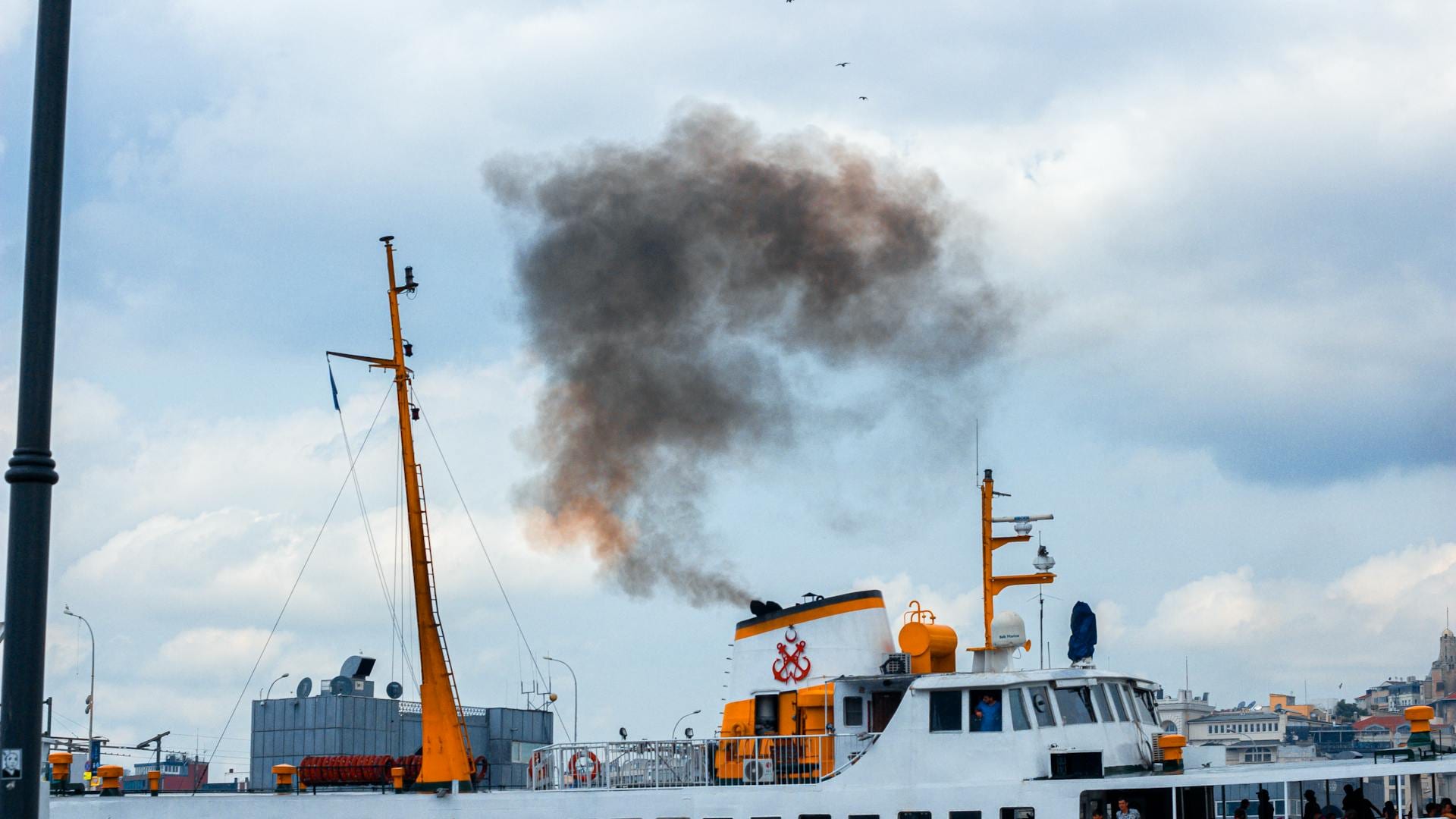
Scrubber wash water, chronic PNEC ahead of the OSPAR clock
For exhaust gas cleaning system (EGCS) vendors and shipping operators preparing for the OSPAR open-loop / closed-loop bans. We add coral as a complementary species to the ecotox program you already run on wash-water discharge, PAHs, metals, low pH, under continuous exposure.
Why now
Open-loop ban 1 July 2027. Closed-loop ban 1 January 2029.
The OSPAR June 2025 decision bans open-loop scrubber discharge in North-East Atlantic ports from 1 July 2027 and closed-loop from 1 January 2029. EU ETS hits 100% maritime coverage from January 2026, compliance scrutiny is on every EU-touching voyage. The chronic PNEC dataset that defends a wash-water position needs to be in place before the cycle that asks for it.

What we test

Open-loop EGCS discharge
PAH-, metal-, and low-pH-loaded discharge tested under continuous exposure. Rangefinding EC10 / EC50 across 6 concentrations.
Closed-loop bleed-off
Periodic discharge from closed-loop systems, different exposure profile, same endpoint requirements.
Methodology and endpoints

Rangefinding acute
96-hour contact on wash-water discharge across 6 concentrations.
Endpoints: EC50, LOEC, NOEC.
Continuous-exposure chronic
3 months exposure + 1 month recovery under continuous discharge conditions. Reporting tuned to MARPOL Annex VI and OSPAR contexts.
Endpoints: EC10, EC50, chronic PNEC.
Frequently asked questions

What scrubber discharge does ReefTox test on coral?
Open-loop EGCS discharge, PAH-, metal- and low-pH-loaded wash water tested under continuous exposure, and closed-loop bleed-off, which has a different exposure profile but the same endpoint requirements. Coral is added as a complementary species to the ecotox program you already run.
What does the testing report?
Rangefinding acute (96h across 6 concentrations) gives EC50, LOEC and NOEC; continuous-exposure chronic (3 months + 1 month recovery) gives EC10, EC50 and a chronic PNEC. Reporting is tuned to MARPOL Annex VI and OSPAR contexts.
Why does the OSPAR timing matter?
The OSPAR June 2025 decision bans open-loop scrubber discharge in North-East Atlantic ports from 1 July 2027 and closed-loop from 1 January 2029, while EU ETS reaches 100% maritime coverage from January 2026. The chronic PNEC dataset that defends a wash-water position has to be in place before the cycle that asks for it.
Scope your scrubber wash-water program with us.
