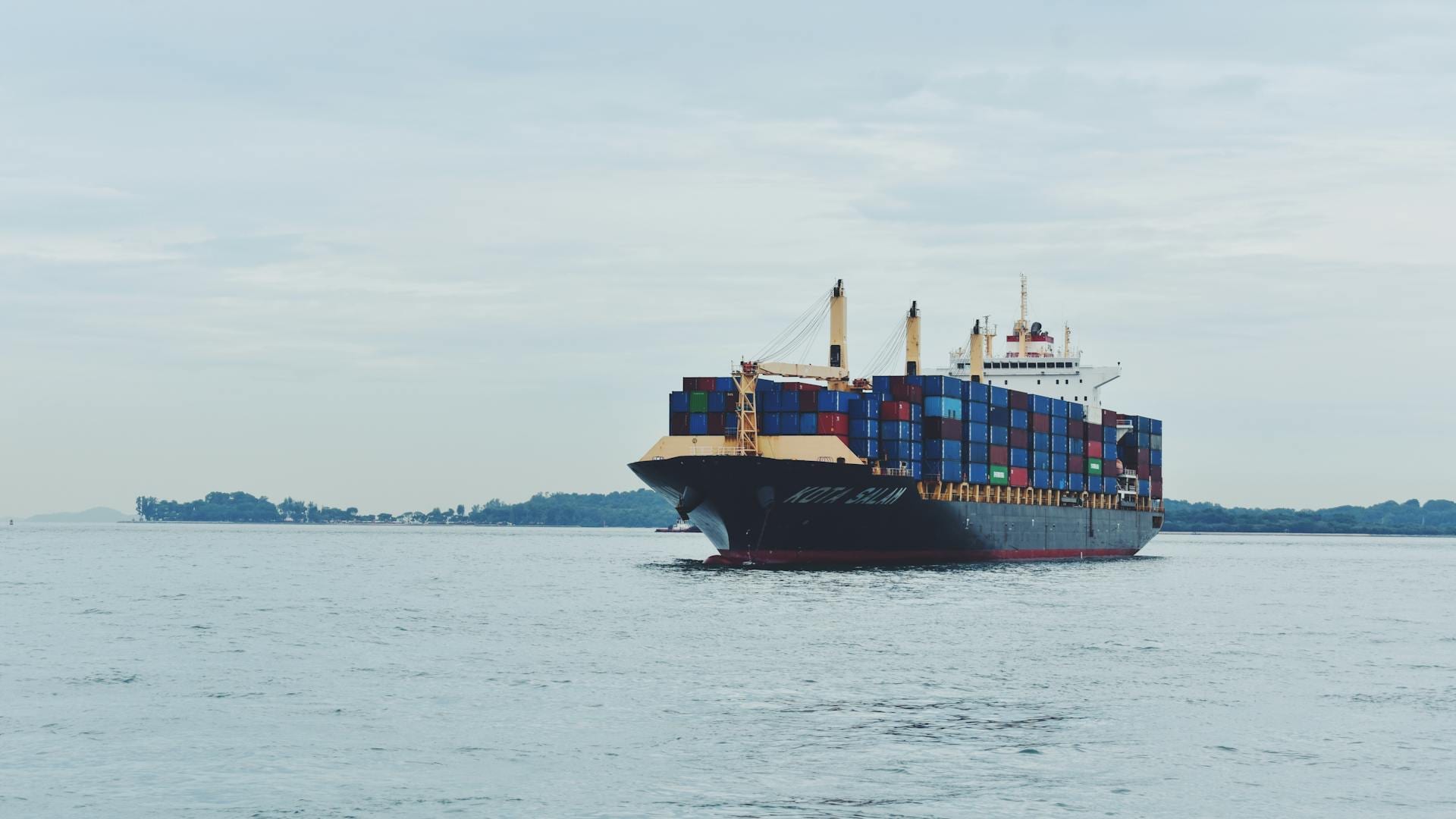
Ballast water, add coral to the BWMS Code panel
For ballast-water treatment-system (BWTS) vendors and shipping operators preparing for IMO BWMS Code D-2 type approval, US VIDA implementing regulations, or reef-adjacent operations. We add coral as a complementary species to the marine ecotox panel you already run on treated discharge.
Why now
USCG implementing regulations due October 2026.
IMO BWMS Code (in force)
D-2 performance testing required for type approval. Land-based and shipboard testing across the standard ecotox panel.
US VIDA (Vessel Incidental Discharge Act)
USCG must issue implementing regulations by October 2026, supersedes VGP for US ballast-water discharge.

What we test, how

Acute on treated discharge
96-hour contact on BWTS effluent. Across the species panel (up to 50 species / 30 genera).
Endpoints: EC50, LOEC, NOEC.
Chronic on treated discharge
3 months exposure + 1 month recovery. Reporting tuned to type-approval and discharge-permit dossiers.
Endpoints: EC10, EC50, chronic PNEC.
Who this is for

- • BWTS vendors carrying systems through IMO type-approval cycles.
- • Shipping operators with US-flag or US-bound vessels facing the VIDA / USCG implementing-rules window.
- • Environmental managers at fleet operators with reef-adjacent routes.
Frequently asked questions

Does coral testing replace the standard BWMS ecotox panel?
No. Coral is added as a complementary species to the marine ecotox panel you already run on treated discharge. ReefTox fills the missing coral endpoint for reef-adjacent operations; it does not replace the existing IMO BWMS Code testing.
What is tested, and what does it report?
BWTS treated discharge is run acute (96h) for EC50, LOEC and NOEC, and chronic (3 months + 1 month recovery) for EC10, EC50 and a chronic PNEC. Reporting is tuned to type-approval and discharge-permit dossiers.
Why does the timing matter for ballast water?
The IMO BWMS Code requires D-2 performance testing for type approval, and under US VIDA the USCG must issue implementing regulations by October 2026, superseding the VGP for US ballast-water discharge. Adding the coral endpoint ahead of those cycles avoids a gap when a reviewer asks for it.
Scope your ballast-water program with us.
Every marine engagement starts with a scoping call.
