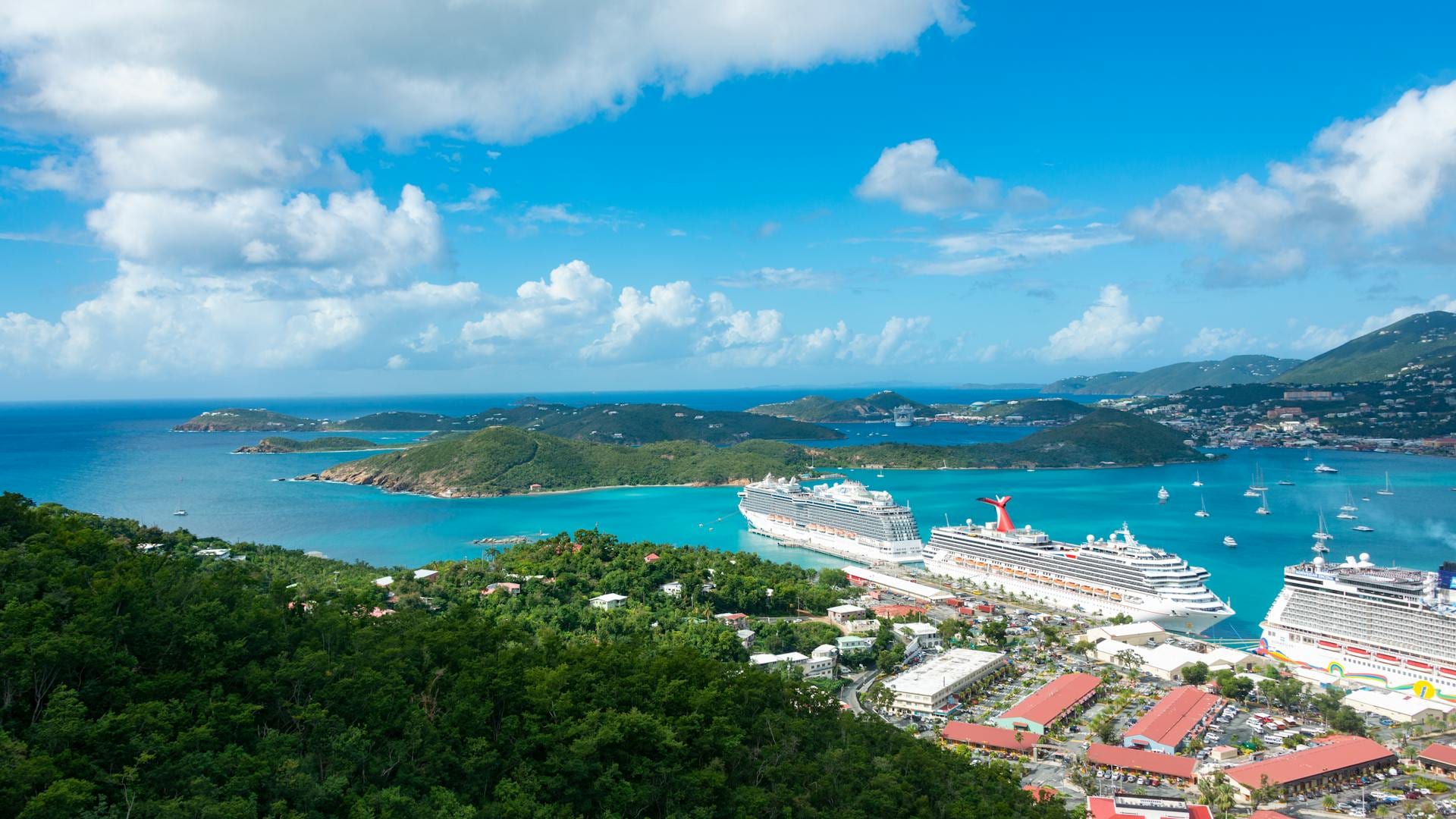
Cruise ships, every discharge stream, tested on coral
For cruise operators with reef-adjacent itineraries and private-island operations. Coral ecotox testing for every discharge that touches the reef, from the ship and from the island, with reporting tuned to VGP / VIDA, MARPOL Annex IV / VI, and the EU ETS maritime backdrop.
Where the discharge comes from

From the ship
- • On-board sunscreen (realistic SPF concentration on live coral, procurement decision)
- • Antifouling paint leachate (chronic PNEC for reef-adjacent ports)
- • Scrubber wash water (chronic PNEC under continuous exposure)
- • Hull cleaning effluent (acute EC10 per cleaning event)
From the island
- • Wastewater / sewage (MARPOL Annex IV, chronic PNEC)
- • Brine from desalination (chronic PNEC at the outfall)
- • Cleaning products (acute EC10 across 6 concentrations to rank products)
- • Pool and laundry effluent (chronic PNEC, facility-chemistry decisions)
Why now
EU ETS maritime hits 100% coverage in January 2026.
Every EU-touching voyage is now under emissions scrutiny that includes methane and N₂O. OSPAR open-loop scrubber bans land in 2027. US VIDA implementing rules in October 2026. Reef-adjacent cruise operators are under increasing pressure to document discharge impact, and the coral endpoint their existing provider can't source is the one the dossier reviewer is starting to ask about.

Methodology
Acute (96h) or chronic (3 months + 1 month recovery) per discharge stream, adapted to realistic exposure for that stream's profile. Acute endpoints: EC50, LOEC, NOEC. Chronic endpoints: EC10, EC50, and chronic PNEC, the reference value sustained-discharge regulators cite.
Reporting tuned to VGP / VIDA (US), MARPOL Annex IV and Annex VI (international), and the EU ETS maritime + claim-substantiation context.

Who this is for

- • Environmental compliance and sustainability leads at cruise operators with reef-adjacent itineraries or private-island operations.
- • Procurement leads making in-water vs dry-dock decisions for hull cleaning.
- • ESG and disclosure leads preparing reef-adjacent operational reporting.
Frequently asked questions

Which cruise discharge streams can ReefTox test on coral?
From the ship: on-board sunscreen, antifouling paint leachate, scrubber wash water, and hull-cleaning effluent. From the island: wastewater/sewage, desalination brine, cleaning products, and pool and laundry effluent. Each stream is tested at a realistic exposure for its profile.
What does the testing report per discharge stream?
Acute (96h) gives EC50, LOEC and NOEC; chronic (3 months + 1 month recovery) gives EC10, EC50 and a chronic PNEC, the reference value sustained-discharge regulators cite. Reporting is tuned to VGP/VIDA, MARPOL Annex IV and VI, and the EU ETS maritime context.
Does ReefTox replace our existing environmental testing?
No. Coral is added as a complementary species to the marine ecotox program already in place. ReefTox supplies the coral endpoint a reef-adjacent operator cannot otherwise source, without displacing the incumbent testing.
Scope your cruise program with us.
