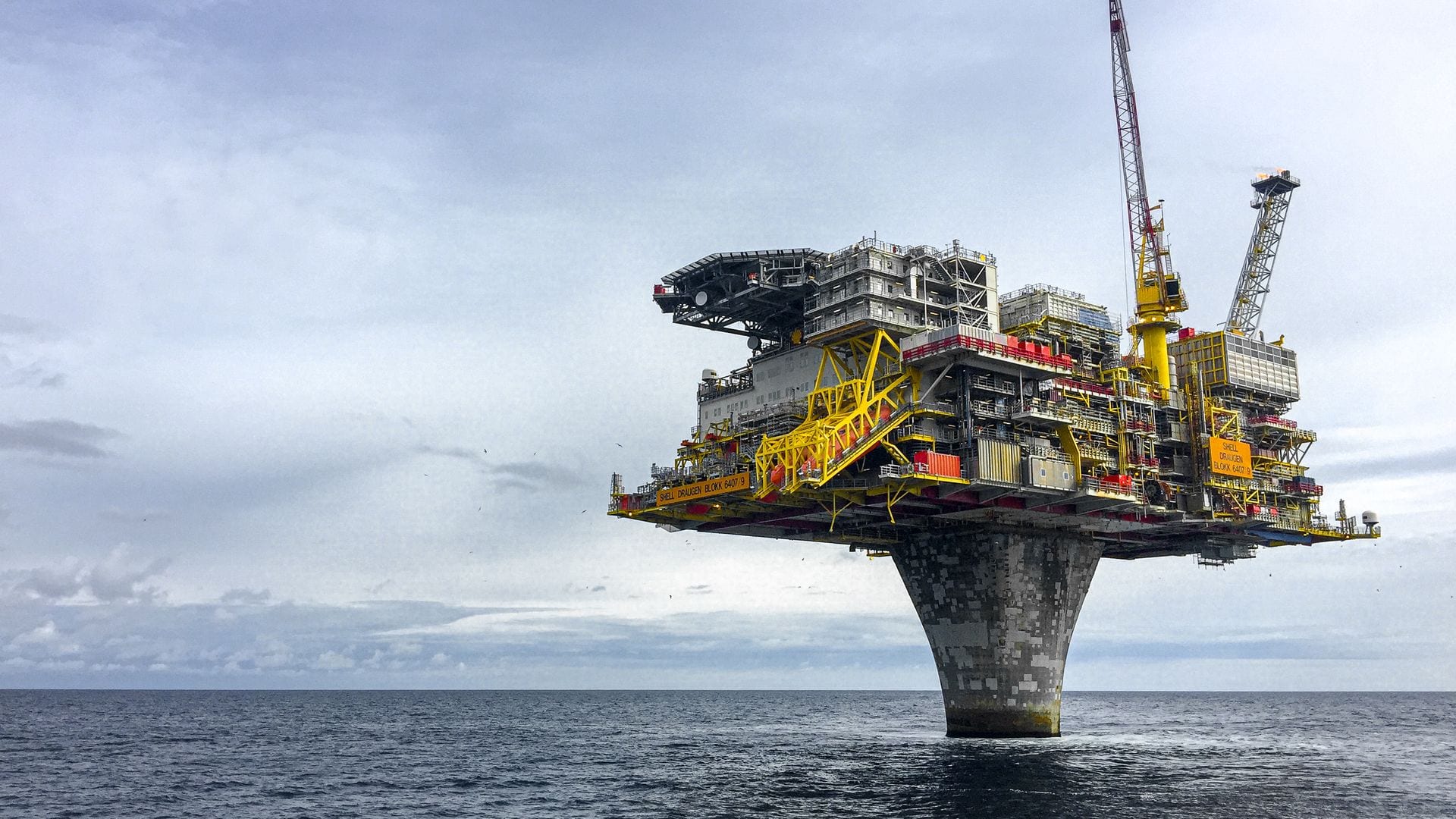
Drilling fluids, coral ecotox for reef-adjacent offshore work
For offshore platforms and oil & gas operators with drilling-fluid discharge in reef-adjacent waters. We add coral as a complementary species to the marine ecotox program you already run on mud- and oil-based fluid material.
Why now
Why add the coral endpoint to a drilling-fluid dossier?
Permit conditions vary by jurisdiction, and the dossier reviewer is asking the same question across jurisdictions: what does this fluid do to reef-adjacent coral? The standard marine ecotox panel covered invertebrates, algae, and fish, coral was missing because no validated guideline existed and no lab combined live coral husbandry with marine ecotox methods. Now both exist.

Methodology and endpoints

Acute
96-hour contact on drilling-fluid material across the test panel.
Endpoints: EC50, LOEC, NOEC.
Chronic on residual leachate
3 months exposure + 1 month recovery. Continuous-exposure protocol where residual discharge is a permit consideration.
Endpoints: EC10, EC50, chronic PNEC.
Reporting tuned to the permit framework your platform reports under.
Who this is for

- • Environmental managers at offshore platforms operating in reef-adjacent waters.
- • R&D and regulatory leads at drilling-fluid suppliers preparing material dossiers.
- • Oil & gas operators with permit cycles that ask about coral-ecosystem impact.
Frequently asked questions

Does ReefTox replace our drilling-fluid ecotox provider?
No. Coral is added as a complementary species to the marine ecotox program you already run on mud- and oil-based fluid material. ReefTox fills the coral endpoint that the standard invertebrate, algae and fish panel leaves out for reef-adjacent operations.
What drilling-fluid material is tested, and what does it report?
Mud- and oil-based drilling-fluid material is run acute (96h) for EC50, LOEC and NOEC, and chronic on residual leachate (3 months + 1 month recovery) for EC10, EC50 and a chronic PNEC. Reporting is tuned to the permit framework the platform reports under.
Why is coral testing for drilling fluids available now?
The standard marine ecotox panel left coral out because no validated guideline existed and no lab combined live coral husbandry with marine ecotox methods. Both now exist, so a reef-adjacent permit reviewer can finally be answered on what a fluid does to coral.
Scope your drilling-fluid program with us.
